Airports in 2026: Data-driven Decision Making, AI and More Seamless Passenger Journeys
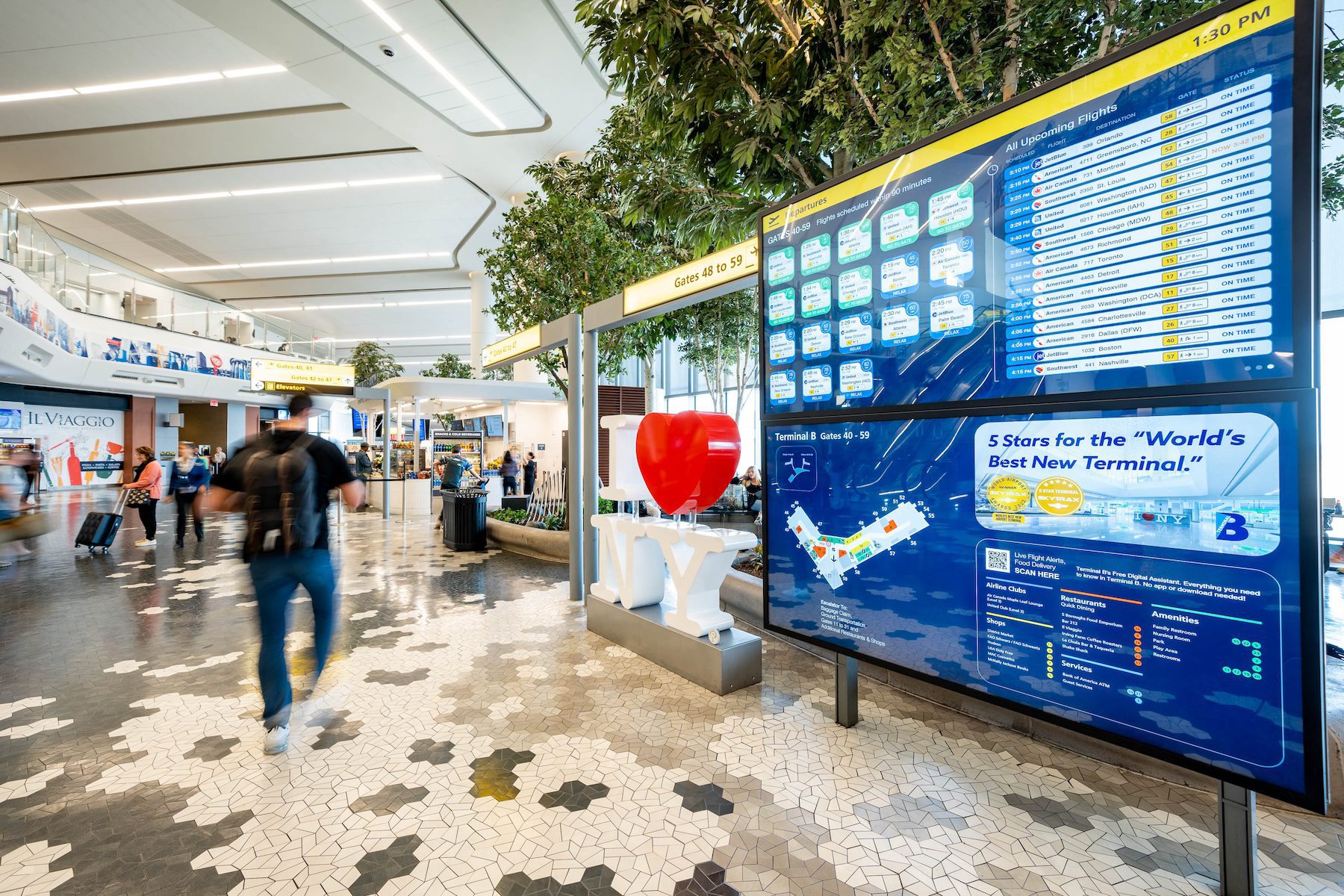
Rapid advancements in technology, evolving traveler behavior, and a growing emphasis on sustainability are redefining the aviation landscape, making airport development more complex than ever.
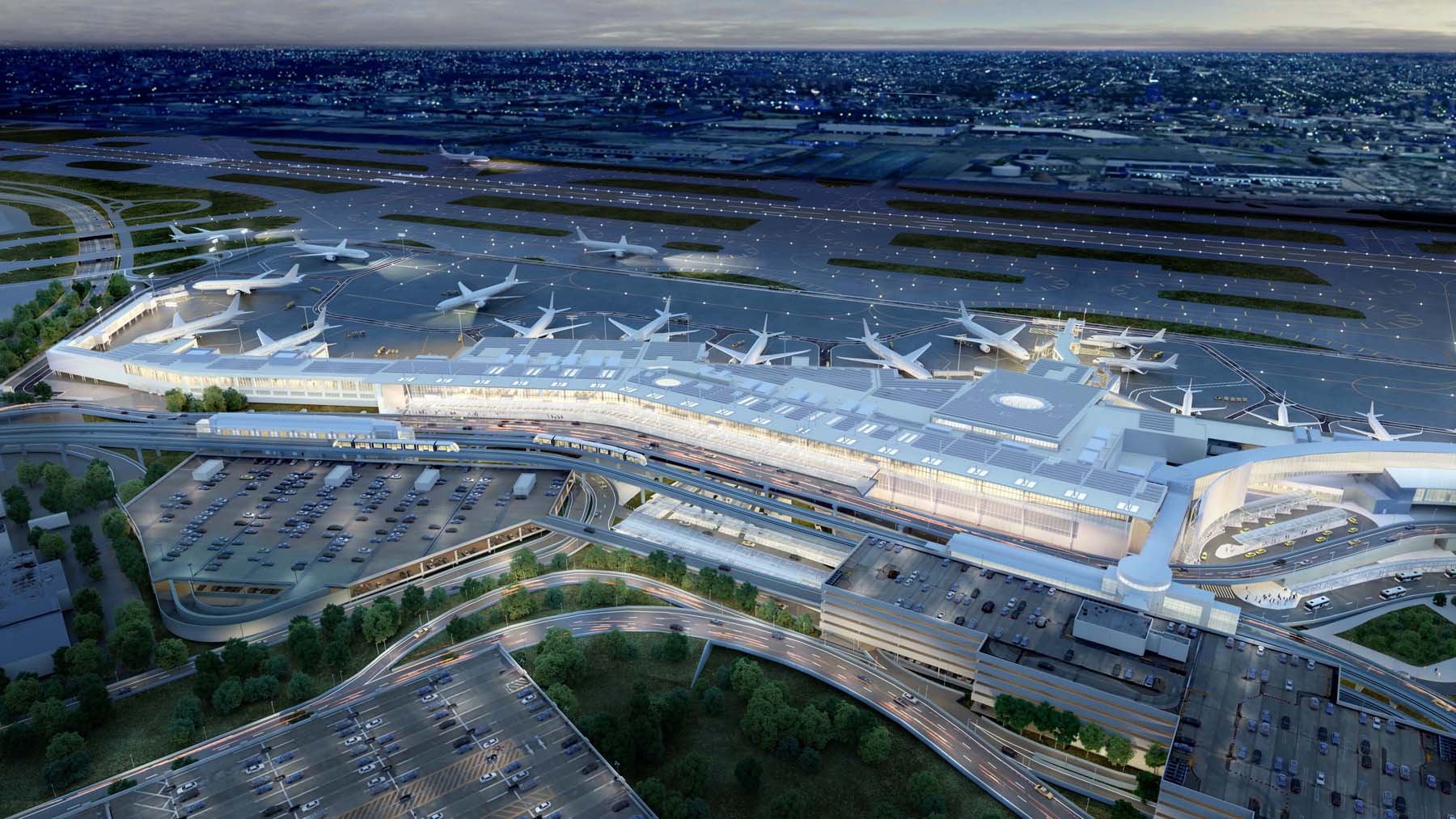
As we head into a new year, airports are adapting by transitioning from traditional infrastructure models to integrated hubs that prioritize digital innovation and operational efficiency with an emphasis on the passenger journey. We are looking ahead to some of the biggest themes set to define airport development in 2026 and beyond. Here’s a few of those trends:
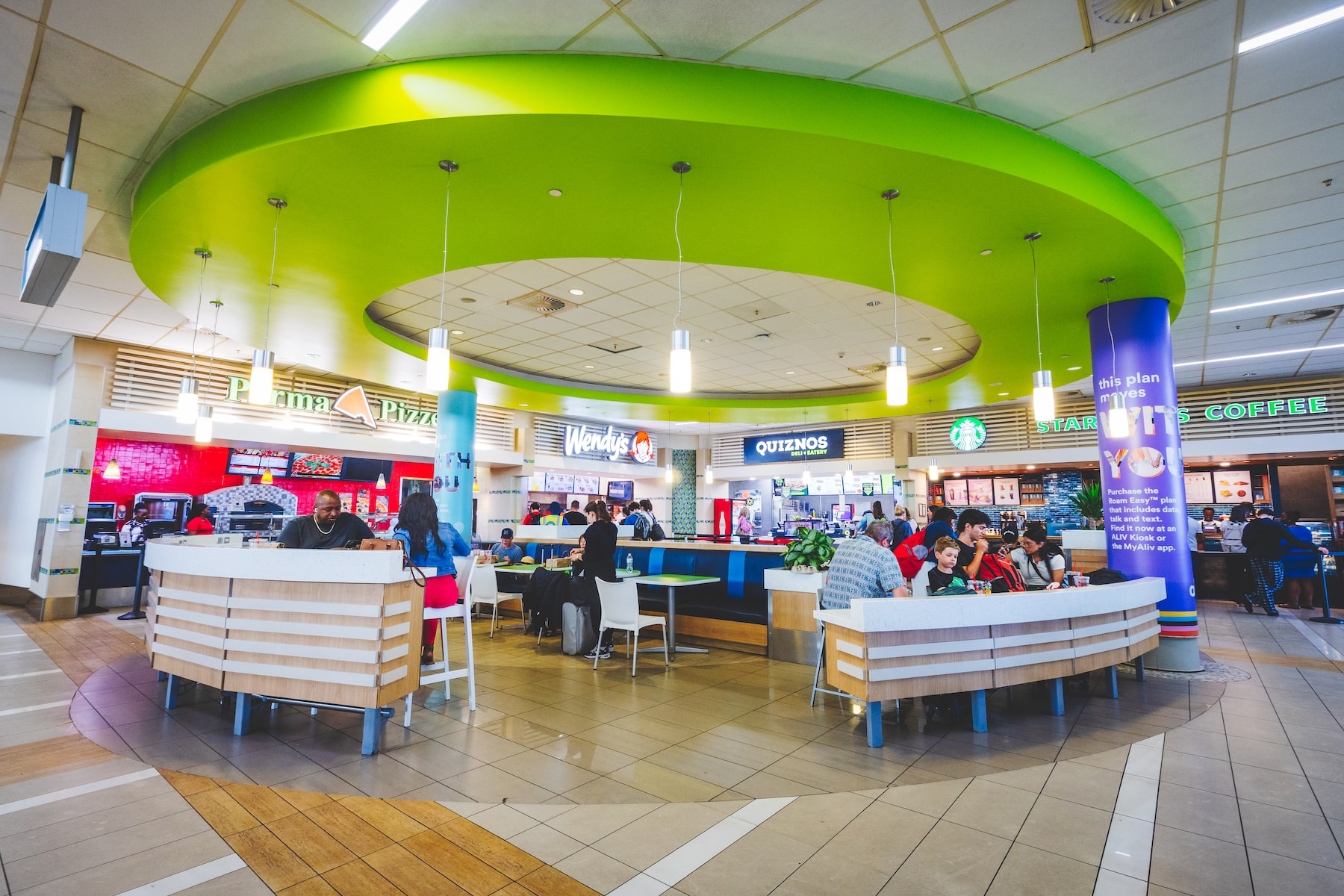
The Future of Guest Experience: Considering Data, Accessibility, and Sustainability for Airport Development
The guest experience is at the center of any airport project. Today’s passengers expect comfort, convenience, and personalized experiences. We take a guest-centric approach to enhancing the passenger journey at every touchpoint, from curb to gate.
Delivering that exceptional experience requires intentional design across the entire journey. This includes thinking through every interaction, from arrivals and security to concessions development, to ensure offerings not only exceed passenger expectations but also support long-term revenue goals.
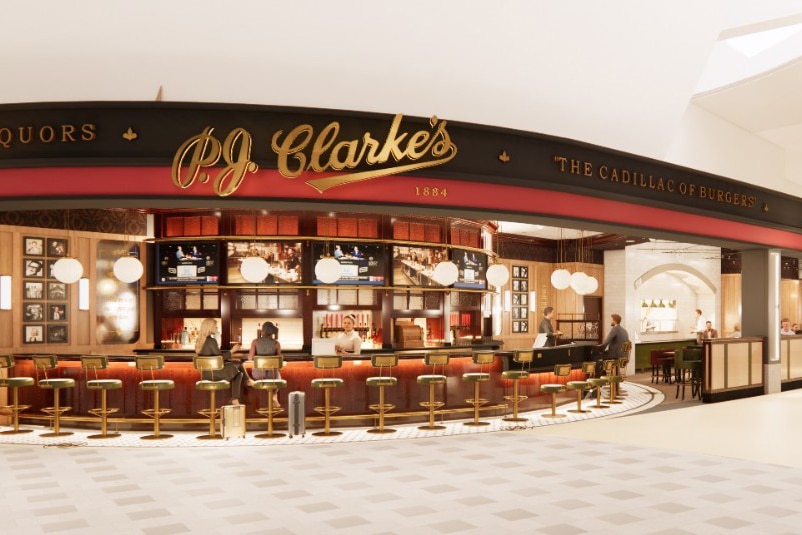
The pre-flight dwell time between security and boarding, for example, is a critical window for enhancing the guest experience and driving non-aeronautical revenue. By offering diverse commercial experiences and leveraging technology to optimize passenger dwell time, we promote non-aeronautical revenue generation, transform waiting time into something enjoyable, and support airport employment.
Airports are putting more emphasis on building comprehensive guest experiences through several key areas: data and technology, accessibility, and sustainability.
Data and technology: building seamless journeys
The future of the guest experience will be defined by data and personalization. From AI-enabled systems to advanced biometric security solutions, innovations are already delivering smoother and more personalized travel experiences.
Airport terminals serve diverse traveler needs, from seamless connectivity for business travelers to flexible dining options for families. Delivering a strong guest experience means responding to these varied preferences. Data-driven insights help anticipate guests’ needs at every touchpoint, ensuring investments in concessions and terminal design elements deliver maximum impact. Findings of a recent global study conducted by Airport Dimensions reinforces this trend; 94% of airport executives surveyed consider developing digital capabilities “absolutely essential” or “important” for improving commercial returns, and 95% of airports are exploring the use of AI to enhance the passenger journey.
By leveraging data, airports can better understand passenger preferences and behaviors, allowing them to shift from reactive to proactive engagement. When airports, commercial program managers, and individual concessionaires share insights and align strategies, the benefits ripple outward. Collaboration also empowers smaller or local operators to make informed choices, adapt quickly, and thrive within the broader terminal ecosystem. That success strengthens the airport’s overall performance and, ultimately, contributes to the local community — creating a win for every stakeholder. At Vantage’s commercial locations, including Chicago Midway International Airport, we share centrally collected data in a commercial dashboard with all concessions partners for actionable intelligence and real-time program management.
Access to robust data ecosystems enables predictive, insight-driven operations that can help unlock greater efficiency while reducing friction for passengers. AI will play a key role in driving additional measures, from predictive maintenance, personalized retail recommendations, and digital assistance to smart retail, ultimately delivering a more seamless and intuitive guest experience.
But as we unlock new innovations, it’s critical to strike the right balance between technology and human connection. Not all passengers adopt technology at the same pace, which makes offering choices essential. Biometric boarding solutions and contactless technology are already streamlining check-in, security, and boarding while freeing up staff to focus on meaningful interactions. By incorporating a mix of self-service tools alongside hands-on support, airports can ensure they’re meeting every passenger where they are.
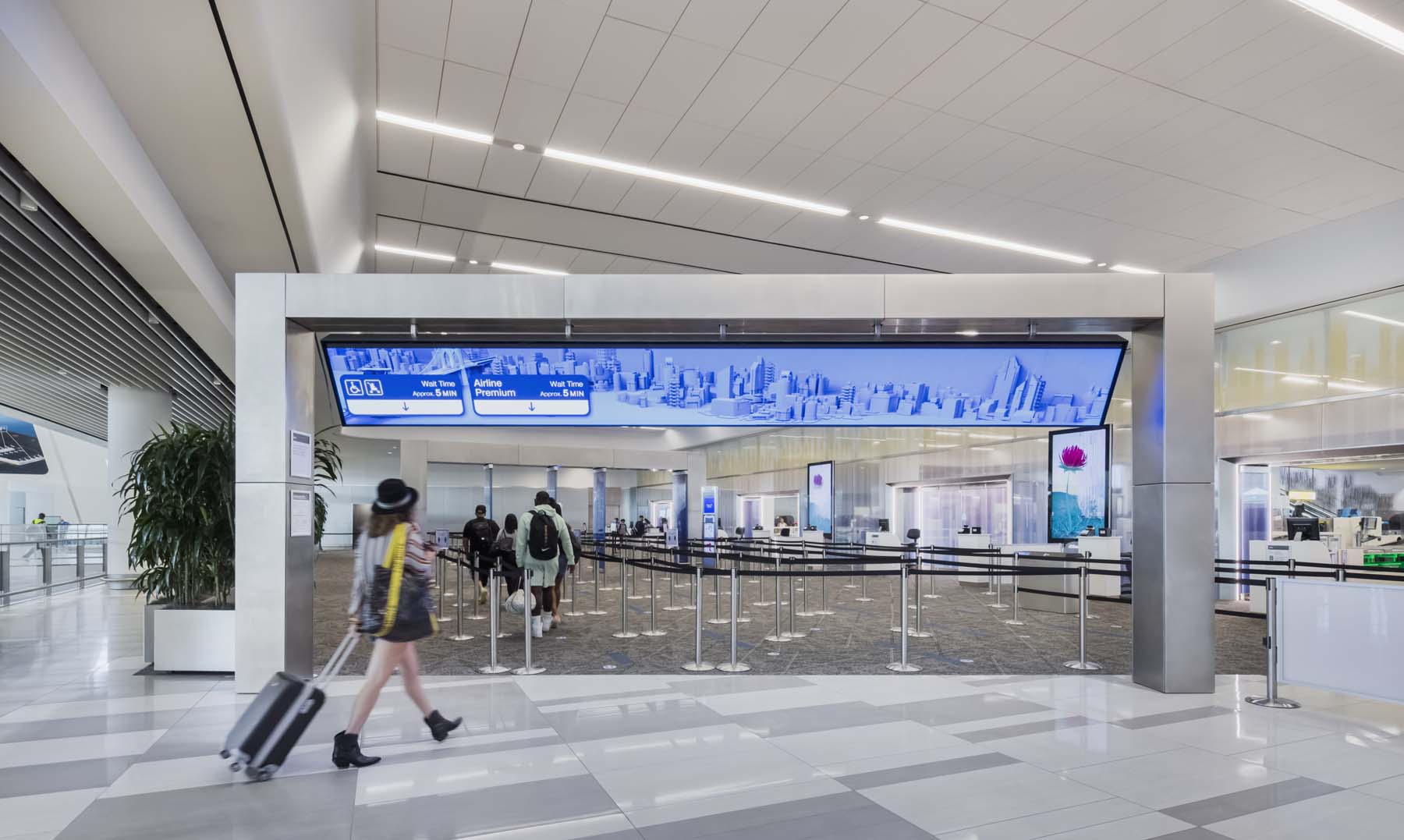

Accessibility: designing terminals for everyone
Accessibility is a core design and operational priority for modern airport terminals, but there is more work to be done. According to the World Health Organization, 16% of the world’s population lives with a disability. In the US alone, travelers with disabilities spend nearly $50 billion annually on travel, yet 80% report encountering obstacles.
An emphasis on universal design ensures travelers of all ages, abilities, and backgrounds can navigate the airport comfortably and confidently. With every design and infrastructure decision, we aim to raise the standard for inclusive travel.
By incorporating sensory-friendly spaces, intuitive wayfinding, and mobility support, we’re creating environments that welcome every traveler. Our partnership with the Rick Hansen Foundation (RHF) is just one example, as that organization works to create a barrier free world for people of all abilities. And we’re proud that LaGuardia Terminal B was the first airline terminal in the US to receive Gold certification from RHF for its accessible design for guests with hearing, vision, and mobility disabilities.
Sustainability: building the airports of tomorrow
Airports are moving beyond regulatory compliance to take a proactive approach to sustainability. By integrating renewable energy and greener technologies, they are setting new benchmarks for environmentally responsible operations while delving long-term environmental and economic benefits. At the global level, the aviation industry — supported by Airports Council International (ACI) — has adopted the target of net‑zero carbon emissions by 2050, reinforcing the shift toward low‑carbon airport operations.
Our strategic sustainability pillars — use less, use differently, make more — guide us toward our goal of reaching net-zero emissions across Vantage’s network airports by the end of 2029.
These efforts allow airports to reduce their environmental footprint, keep pace with consumer expectations of sustainability, and support long-term financial growth through smarter processes and infrastructure investments.

Navigating Complexities by Building a Culture of Collaboration
Building the future of the guest experience must be rooted in collaboration, and this principle will be even more important in the coming year as the complex needs of travelers, emerging technology, and the macro-economic environment evolve. Airports operate with a complex ecosystem of airlines, regulators, investors, and service providers. Aligning around shared objectives is critical to the success of any project, making collaboration and an integrated approach essential. At Vantage, we work to understand each partner’s priorities to ensure everyone is driving toward the same outcome, helping navigate relationships across the ecosystem.
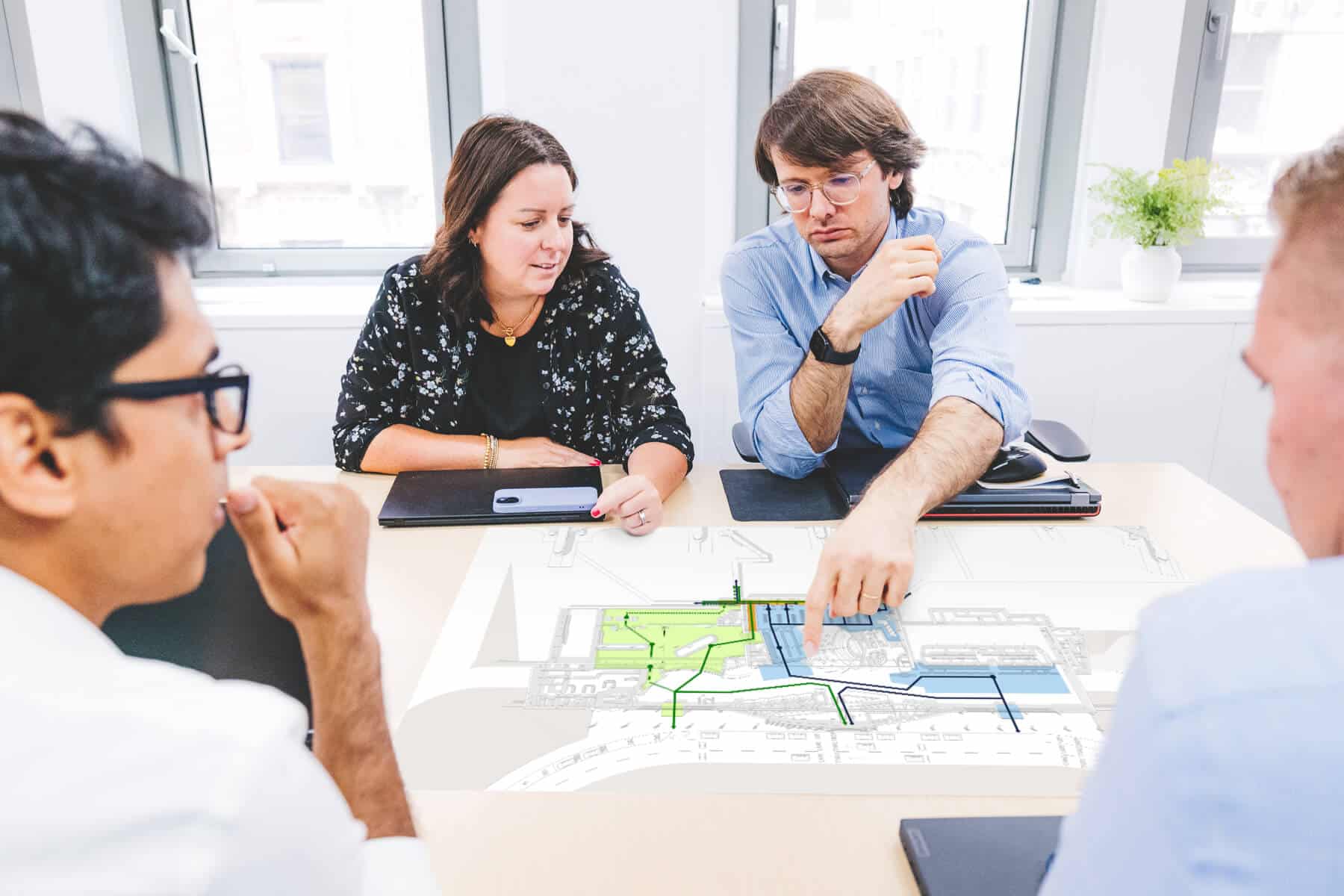
Collaboration is key to building a future-ready guest experience. Engaging all stakeholders from day one — from TSA agents and architects to concessionaires and guest services providers — creates alignment around a clear vision. We held a guest experience summit to bring these groups together to share insights and identify high-impact improvements. One thing we identified: restrooms consistently emerge as one of the top drivers of passenger satisfaction.
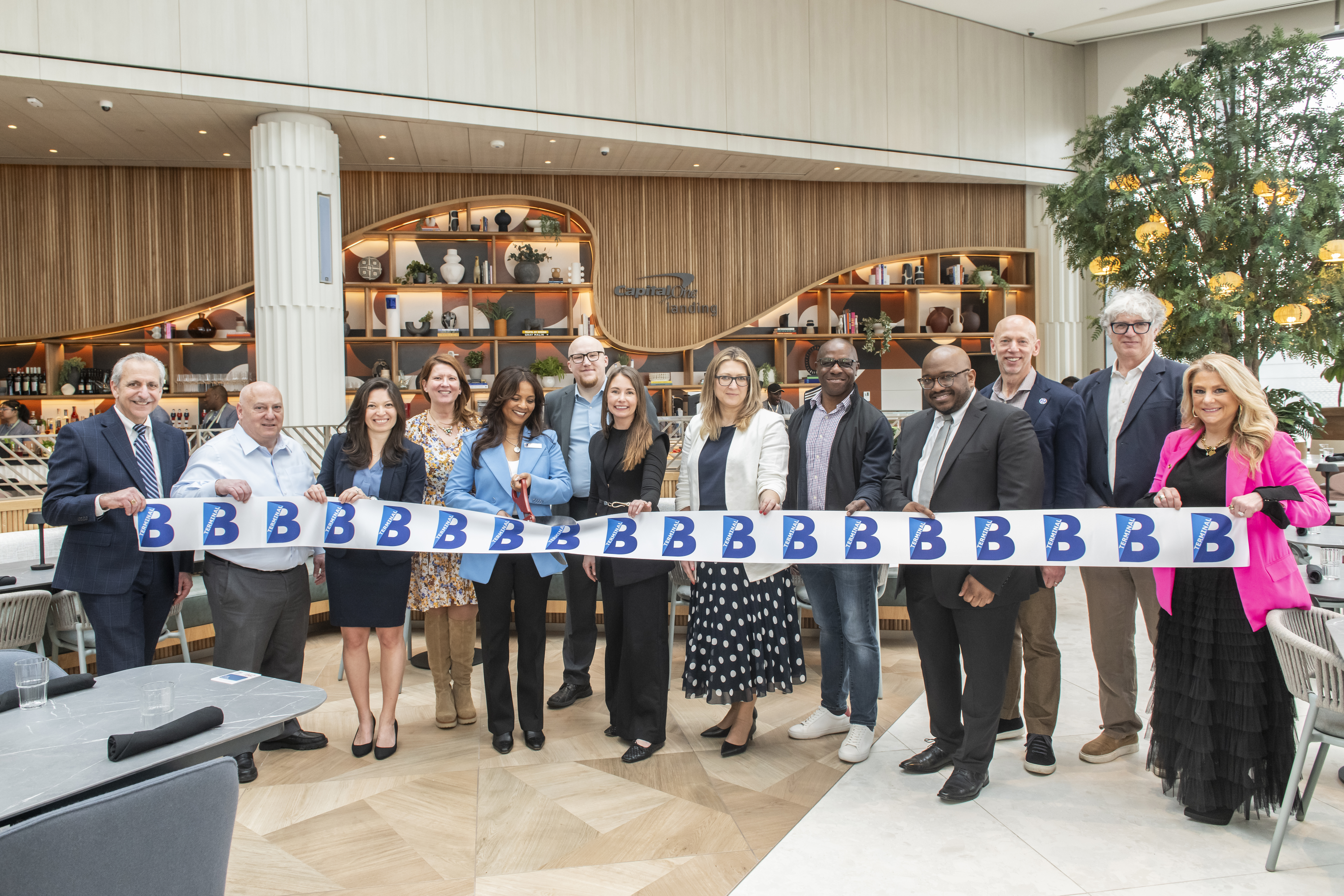
An integrated approach ensures design, operations, and financing strategies advance in tandem toward shared goals. Equally important is cultivating a collaborative team of passionate, open, and transparent professionals who build trust and continuously improve. LaGuardia Terminal B demonstrates the power of this approach: by engaging representatives from across the terminal, we were able to deliver the project on time and on budget while create an award-winning passenger experience.
Resource Hub
Discover How Vantage Elevates Transportation Experiences
At Vantage, we’re launching innovative airport redesign projects and reimagining the future of transportation. See More in Our Resource Hub
Transforming Transportation, Together
Let’s partner to bring your ideas to life, building sustainable, connected airports and transportation centers together.