Case Study

From Worst to First: How LaGuardia Airport Terminal B Set a New Standard in Terminal Transformation

Sep 10, 2026
Vantage Experts:
Suzette Noble headshot
Chief Executive Officer

The Big Picture: A Historic Partnership

LaGuardia Airport (LGA) Terminal B is a major gateway to New York City, but the facility wasn’t leaving visitors with a great first impression. In fact, it had developed a reputation as one of the country’s worst terminals. It needed modernizing to accommodate record passenger volumes, fix outdated facilities, and improve the overall experience for guests and employees.

The Port Authority of New York and New Jersey engaged LaGuardia Gateway Partners (LGP), a private consortium led by Vantage Group to redevelop and manage a new terminal through a 35-year lease. Through multi-stakeholder collaboration and a comprehensive plan, LGP completed the $5.1 billion transformation on time and on budget, setting a new standard in airport design and world-class guest experience.

The Challenge: Overhauling an Outdated Airport Terminal Without Disrupting Operations

When LGA opened in 1964, it was a modern and spacious facility and a key transportation hub for New York City. But by 2011, a terminal originally designed to accommodate 8 million passengers annually was now seeing nearly double that. The crowded terminal, along with its aging design, low ceilings, narrow concourses, and leaky roofs, led to LGA being considered one of the worst airports in the U.S.

Five major airlines independently controlled different parts of the terminal, creating a fragmented model with inconsistent service levels and operating practices. This made it difficult to deliver a consistent passenger experience. Assets were underutilized in some areas and overcrowded in others, while fixed gate assignments limited flexibility during storms and other operational delays, slowing recovery and increasing congestion.

Terminal B needed to modernize. So the Port Authority of New York and New Jersey engaged the private sector to design, build, finance, operate, and maintain a new terminal capable of supporting the region’s continued growth in air travel. In 2015, following a highly competitive, multi-year procurement process, LGP was selected to spearhead the transformation, with the ambitious goal of delivering the project in six years.

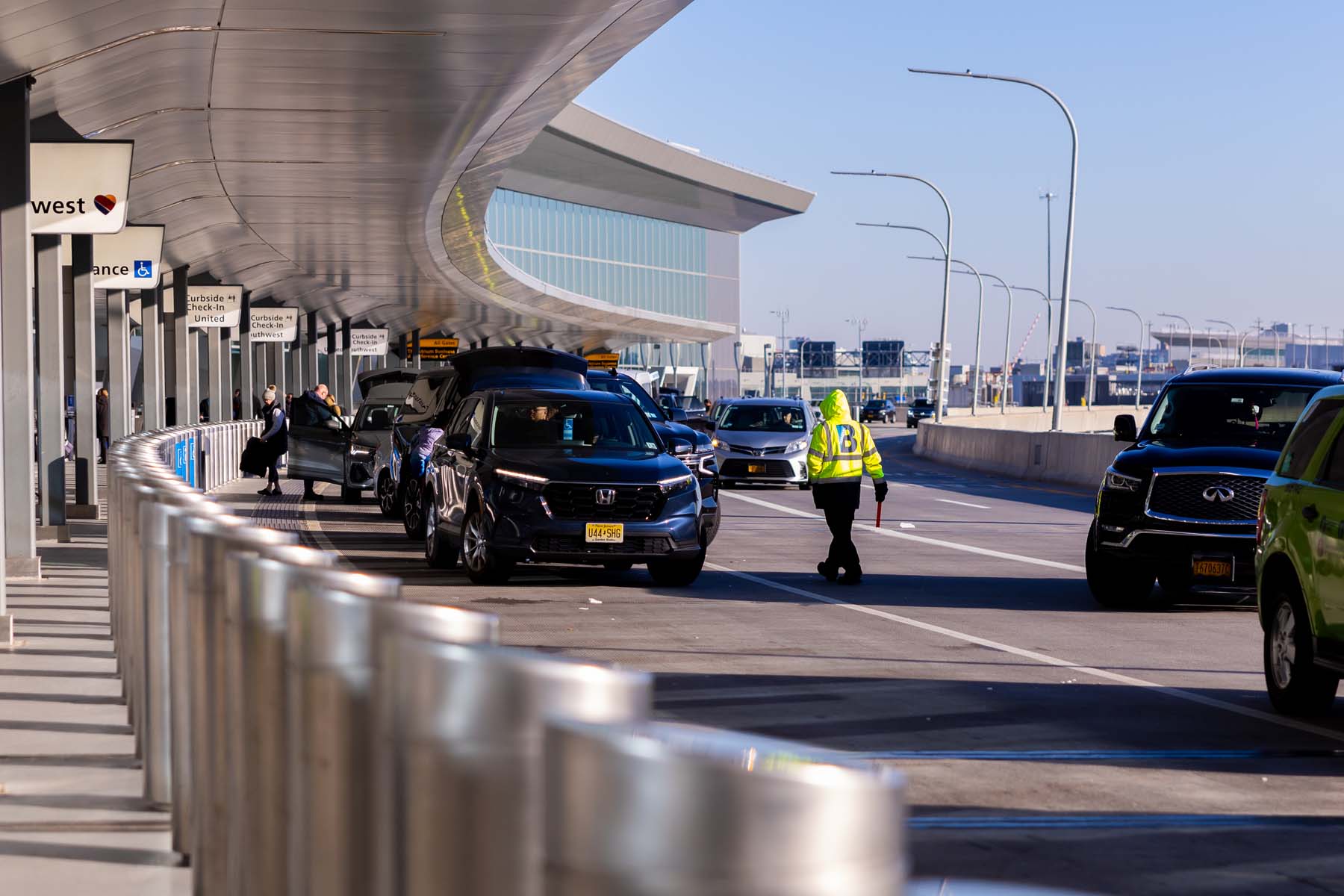
The departure gate of an airport, with a line of cars unloading travelers and luggage.

Valued at $5.1 billion, the project was the largest public-private partnership in aviation history at the time. It was also the most complex, as the team was tasked with keeping the original facility fully operational during the transformation, significantly increasing the project’s complexity and risk.

Financing the Transformation: Turning Airline Alignment into Investor Confidence

Delivering a $5.1 billion redevelopment while keeping the existing terminal fully operational took more than an ambitious design. It took a financing approach that was fully integrated into every aspect of the transformation, and a framework that airlines and investors could stand behind. Because the Port Authority’s competitive procurement didn’t allow direct airline engagement during bidding, our team drew on Vantage’s deep experience in aviation rate-setting to develop a structure that balanced the priorities of all parties. Once engagement opened, a concentrated, transparent consultation with partner airlines converted that groundwork into real support, giving the deal the airline support it needed to move forward with confidence. This alignment paid off in the capital markets: the project earned investment-grade credit ratings of BBB/Baa3 from Fitch and Moody’s. Focused on a predominantly tax-exempt Special Facilities Bond debt solution, the financing plan also included $200 million of equity, contributed equally by Vantage and its consortium partners, alongside future passenger facility charges. Ultimately, the de-risking of construction, strong track record of consortium members and airline buy in contributed to the bonds being more than 10 times oversubscribed, drawing interest from more than 150 investors, and setting new records for yield and credit spreads on a BBB credit. The combination of airline trust and investor confidence gave the project the financial foundation to fund years of construction, maintain existing operations, and create long-term value for all partners.

Vantage’s Approach: Building an Exceptional Guest Experience

Our vision for LGA Terminal B was clear: deliver an experience that reflects the energy, ambition, and spirit of New York City. To achieve that, we developed a comprehensive plan to create an airport terminal deserving of a world-class destination.

Vantage’s Operational Readiness and Airport Transition (ORAT) team was embedded throughout the project lifecycle. From day one, the team brought the vision to life by developing robust relationships and facilitating communication with all terminal stakeholders, ensuring the passenger experience, airline and Port Authority operations, accessibility, security, commercial operations, and emergency response informed decisions from the start. This helped the team resolve issues before they became operational challenges. Rather than reacting to disruptions, we planned for them.

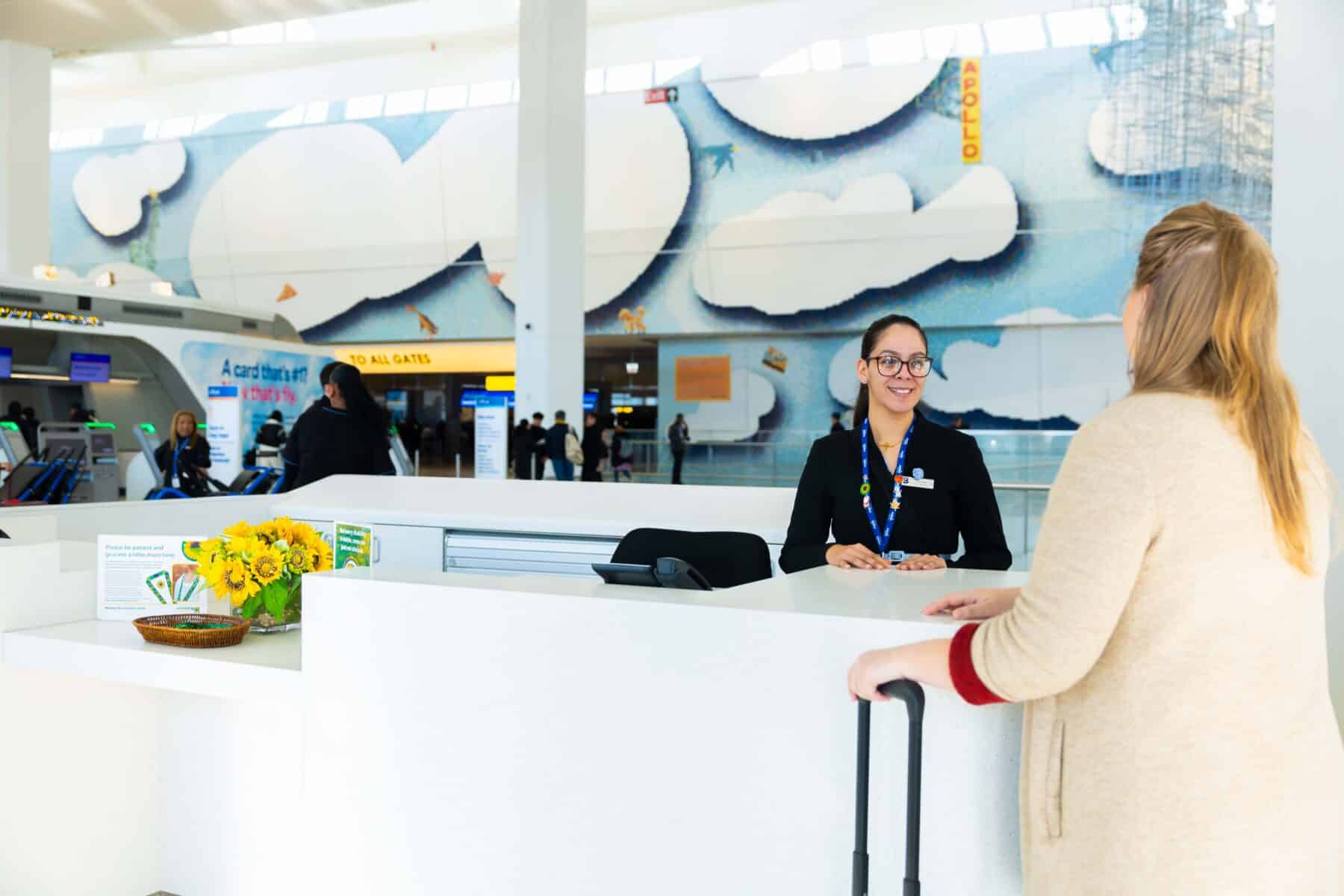
Check-in agent assisting passenger at airport terminal.

Laying the foundation for a successful transformation

Keeping the terminal fully operational throughout construction was one of the project’s greatest challenges. While many airport redevelopments are managed in silos, with design, construction, and operations working independently, Terminal B’s scale and complexity demanded a more integrated approach.

To maximize LGA’s constrained footprint and minimize disruptions, we built behind, above, and in front of the existing terminal in carefully sequenced phases. This had the added effect of accelerating the construction schedule while reducing costs.
Key elements included:

  • Dedicating one phase of construction to the existing road network
  • Creating island concourses and bridge connections to reduce construction impact
  • Repositioning the location of the Arrivals & Departures Hall to add an additional 40 acres to airfield capacity
  • Adding dual pedestrian skybridges to create an additional two miles of taxi lane space

We also knew that because major capital investments would take several years to deliver results, we needed to show quick wins to keep up the project’s momentum. Early investments were made to improve operations, safety, and the customer and employee experiences on day one. These were guided by three simple principles: Quick, Clean, and Kind.

Quick: focused on creating a seamless passenger journey

We improved wayfinding, enhanced signage, simplified curb-to-gate navigation, and developed a data-driven forecasting tool enabling TSA to staff proactively, which reduced wait times and improved the experience at security.

Icon of a person with a tie next to a suitcase.

Clean: focused on elevating the terminal’s condition — and passenger confidence

Because cleanliness, particularly in restrooms, is one of the strongest drivers of passenger satisfaction, we strengthened our custodial program through more frequent inspections and proactive cleaning – holding ourselves to higher performance standards across the terminal.

Kind: reflected our most sustainable investment — our people

We established a Guest Ambassador Program and training focused on empathy, situational awareness, accessibility, as well as proactive problem-solving. We built a shared service culture where every employee understands their role in shaping a welcoming, responsive, and consistent passenger experience.

A person smiles while giving a speech at a podium that reads "Port Authority NY NJ."

The project’s success started with building a truly collaborative environment from day one. Before tackling technical details, we aligned airlines, designers, contractors, regulatory agencies, and operational partners around a shared vision. That shared commitment created a culture where decisions favored the project’s overall success rather than any single stakeholder’s interests. It kept the project aligned and allowed us to achieve our objectives while maintaining schedule, budget, and operational continuity.

Suzette Noble headshot
CEO, LaGuardia Gateway Partners
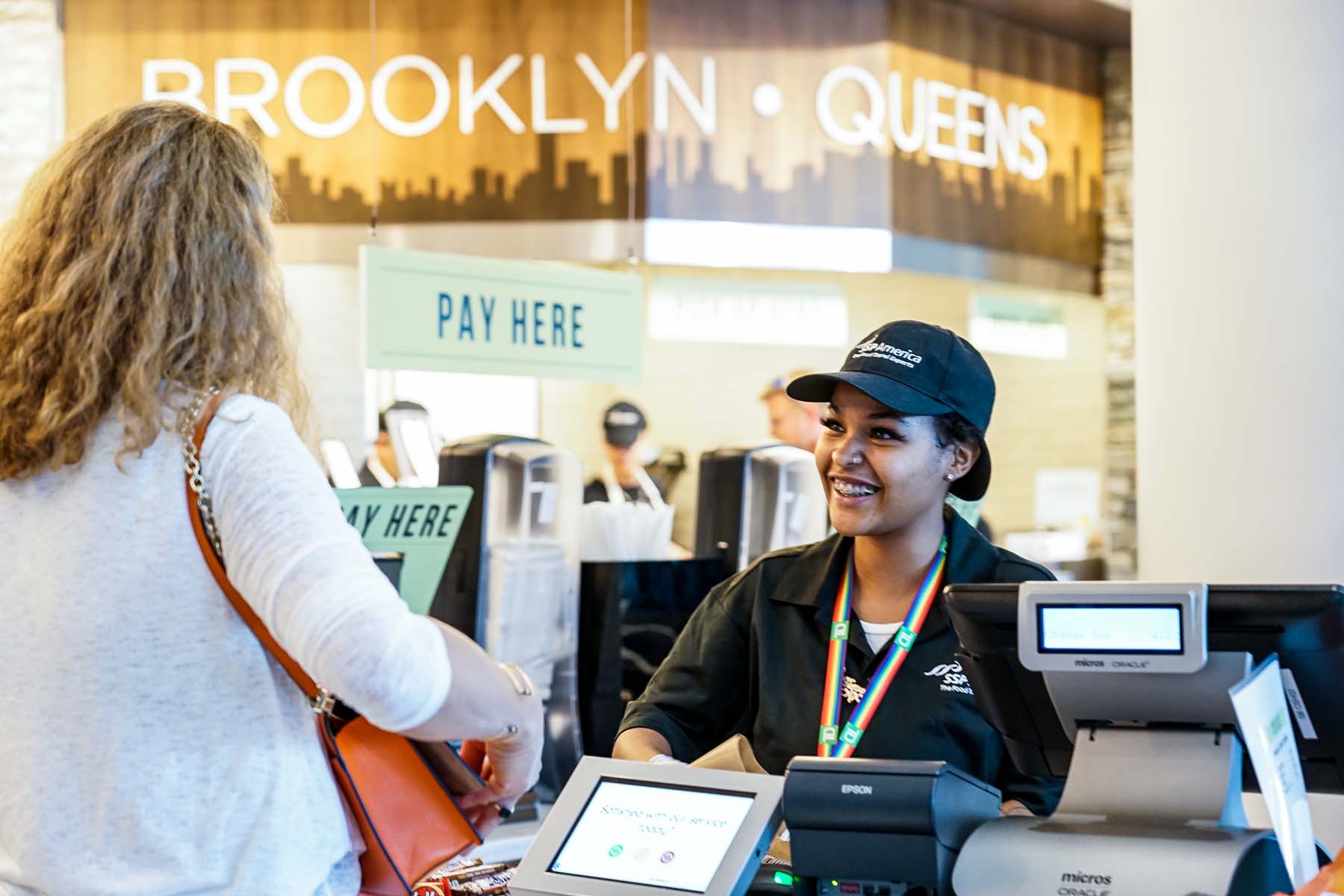
An employee smiles at a traveler while they checkout with snacks.

Setting a new standard in guest experience

Reimagining the guest experience was central to the transformation. It informed the decisions that went into the concessions program, design elements, and the meticulous attention to detail woven throughout the terminal.

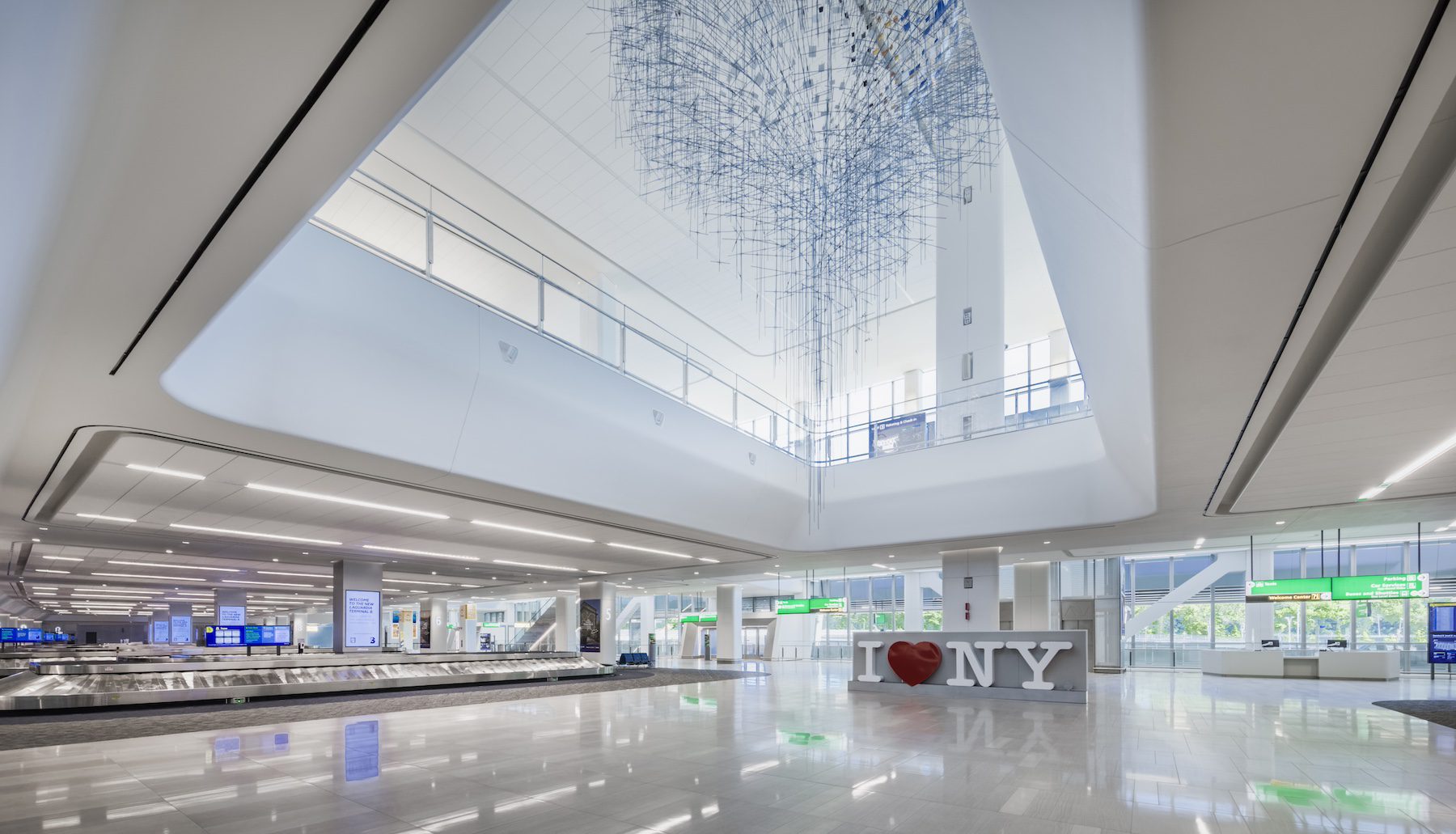
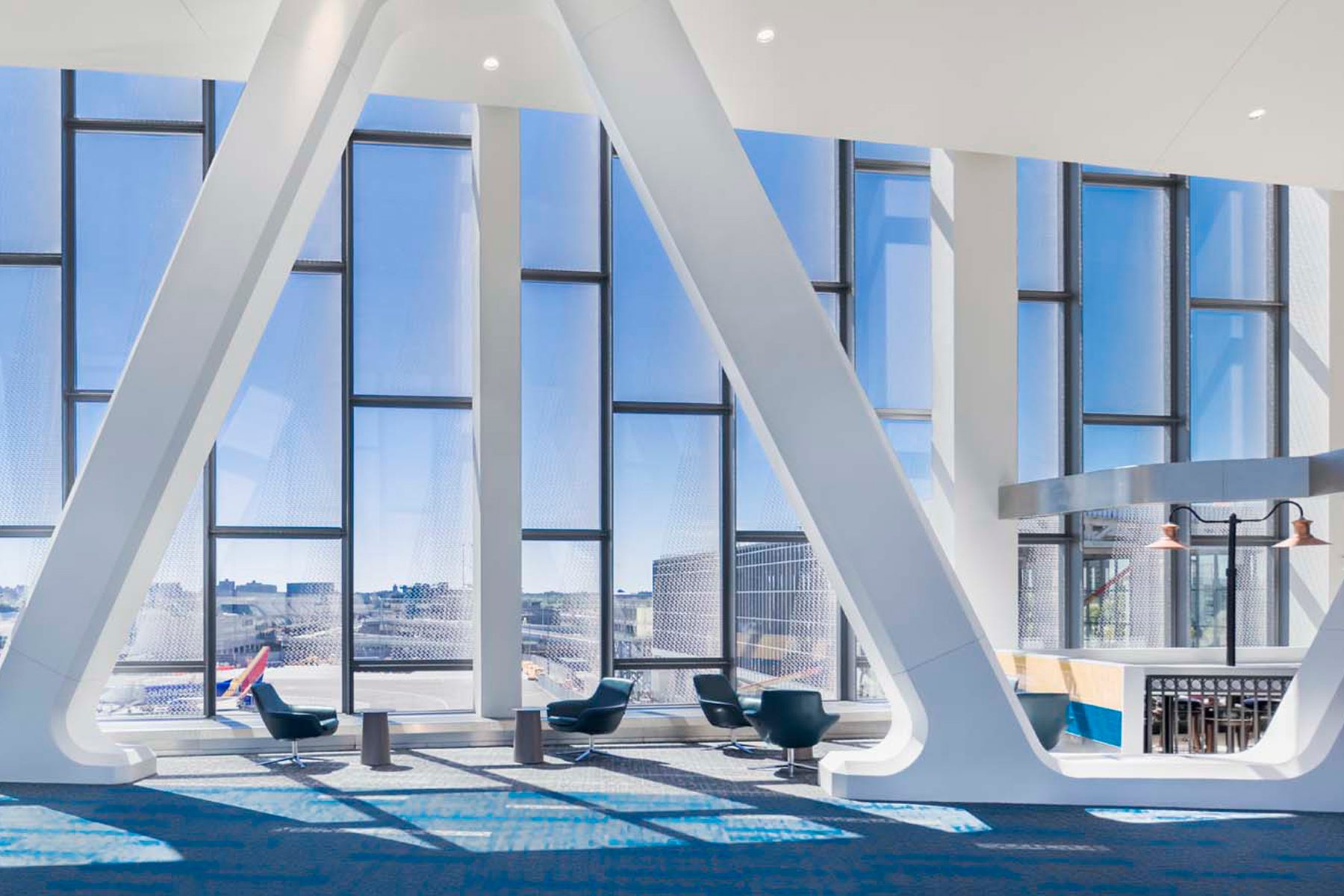
  • Intentional design: Soaring ceilings flood the terminal with natural light while a variety of spaces — from quiet lounges to lively bars and interactive children’s play areas — allow guests to choose how to spend their pre-boarding time. Thoughtful amenities, including ample charging outlets, modern hands-free restrooms with larger stalls for luggage, nursing rooms, and pet relief areas, further enhance comfort and convenience.
  • A uniquely New York Sense of Place: Through its architecture, art, concessions, and guest experiences, Terminal B reflects the vibrancy and diversity of New York City. Guests enjoy views of the Manhattan skyline, commissioned works by local artists, a signature water feature that celebrates the city, and memorable experiences that enhance the passenger journey while maximizing commercial opportunities.
  • Technology that reduces friction: Digital innovation streamlines the passenger journey with features such as mobile food ordering, B-FAST front-of-line security access, and real-time security wait estimates. Dynamic TSA queue signage adapts to demand, while redesigned flight information displays provide clear, concise information encouraging guests to explore the terminal’s amenities.
  • Choice at every step: Recognizing that every passenger is different, the terminal was designed to support a wide range of preferences. Multiple check-in options, intuitive wayfinding, varied seating environments, diverse dining and retail, premium lounges, wellness spaces, family amenities, and flexible passenger services allow guests to personalize their experience while moving through the terminal efficiently.

Improving operations behind the scenes

Operational planning helped improve efficiency and reduce risk — ensuring the terminal was ready to support seamless operations from the moment it opened.

  • Common-use operations improved efficiency. Terminal B transitioned to a common-use operating model, allowing any airline to use any available gate, ticket counter, or baggage claim area. This flexibility improves resource utilization and reduces congestion, enabling airlines to respond more effectively during peak periods and irregular operations.
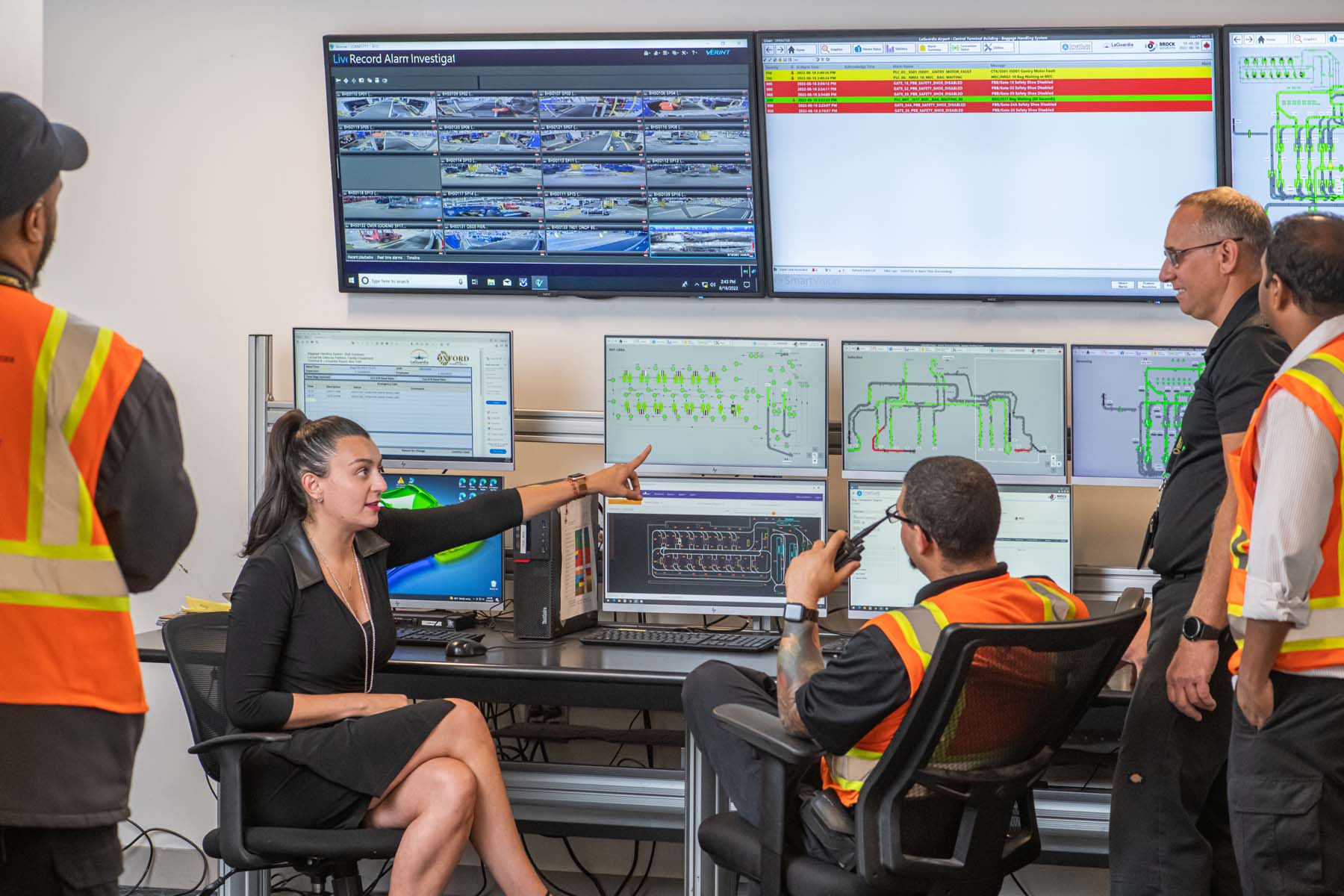
  • An Integrated Operations Center (IOC) facilitates better coordination. Acting as the terminal’s centralized command center, the IOC integrates operations, airlines, government agencies, facilities, maintenance, custodial, and other key stakeholders into one unified operational environment. It facilitates rapid assessment, cross-functional communication, resource deployment, and incident resolution to improve the terminal’s overall performance.
  • Operational planning informed design. Collaborative design reviews and operational “fly-throughs” brought together airlines, terminal operators, guest experience teams, and designers to walk the passenger journey step by step. These exercises identified potential pain points and refined the design before construction, ensuring the terminal would operate as intended from opening day.
  • Proactive planning reduced risk. We continuously assessed operational, design, and construction risks. We anticipated challenges and worked collaboratively to address them before they could impact cost, schedule, or operations.
  • Employee-centered planning drove performance. Because employees interact with thousands of passengers daily, creating an efficient, functional, and supportive workplace was essential. Staff circulation, back-of-house facilities, operational workflows, break areas, and technology were thoughtfully designed to create a more efficient and supportive workplace.
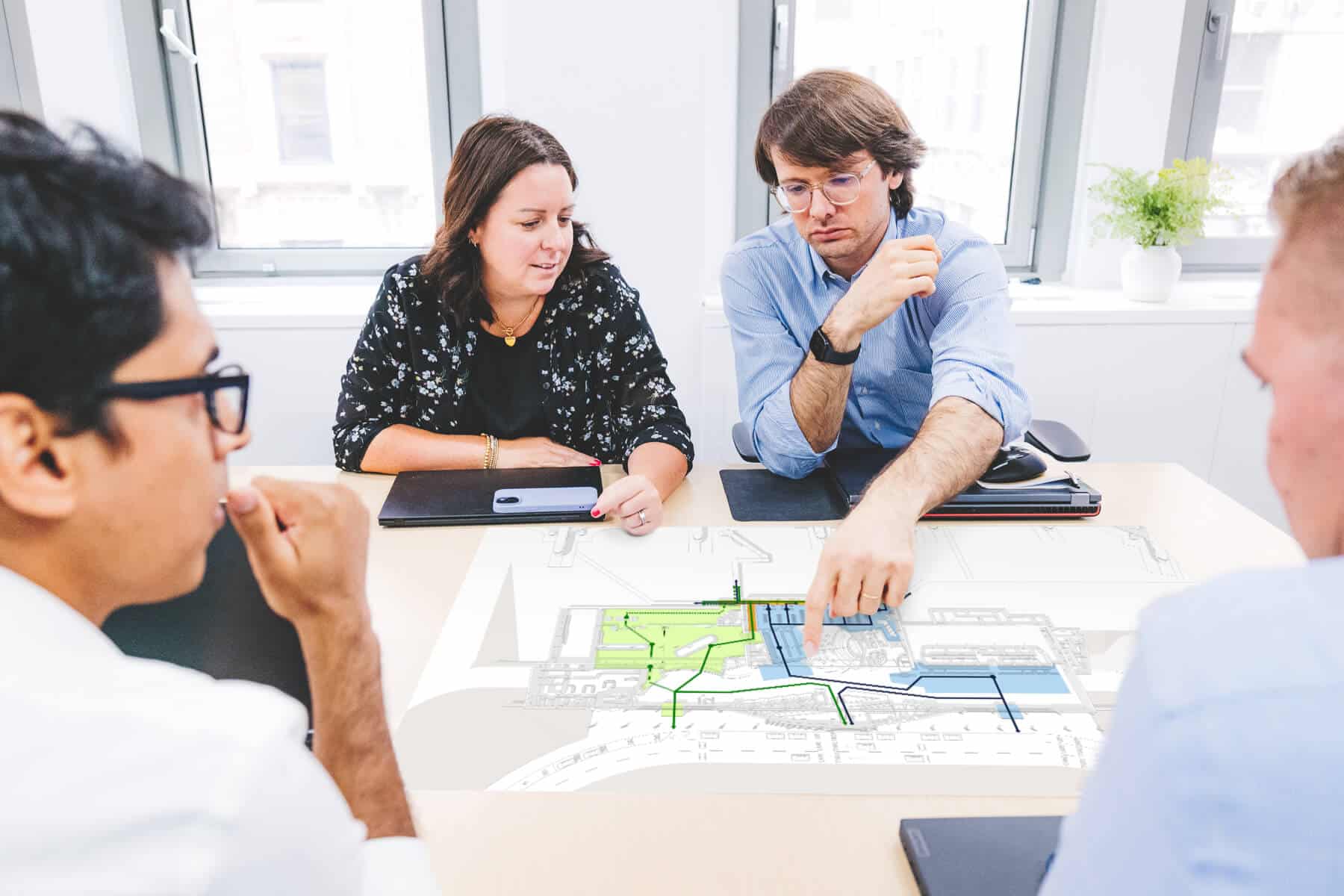
A group of airport employees point and discuss the layout of a terminal on computer screens at air traffic control.

We maintained a relentless focus on operational readiness. Every design decision and construction milestone was evaluated through the lens of opening day operations. By integrating operational planning with project delivery, we ensured the facility was completed on time and within budget — and ready to support a safe, efficient, and seamless day-one operations.

Suzette Noble headshot
CEO, LaGuardia Gateway Partners

Results & Impact: A 5-Star Terminal

There may be instances in which you don’t need this heading, so if you don’t need it, simply delete.

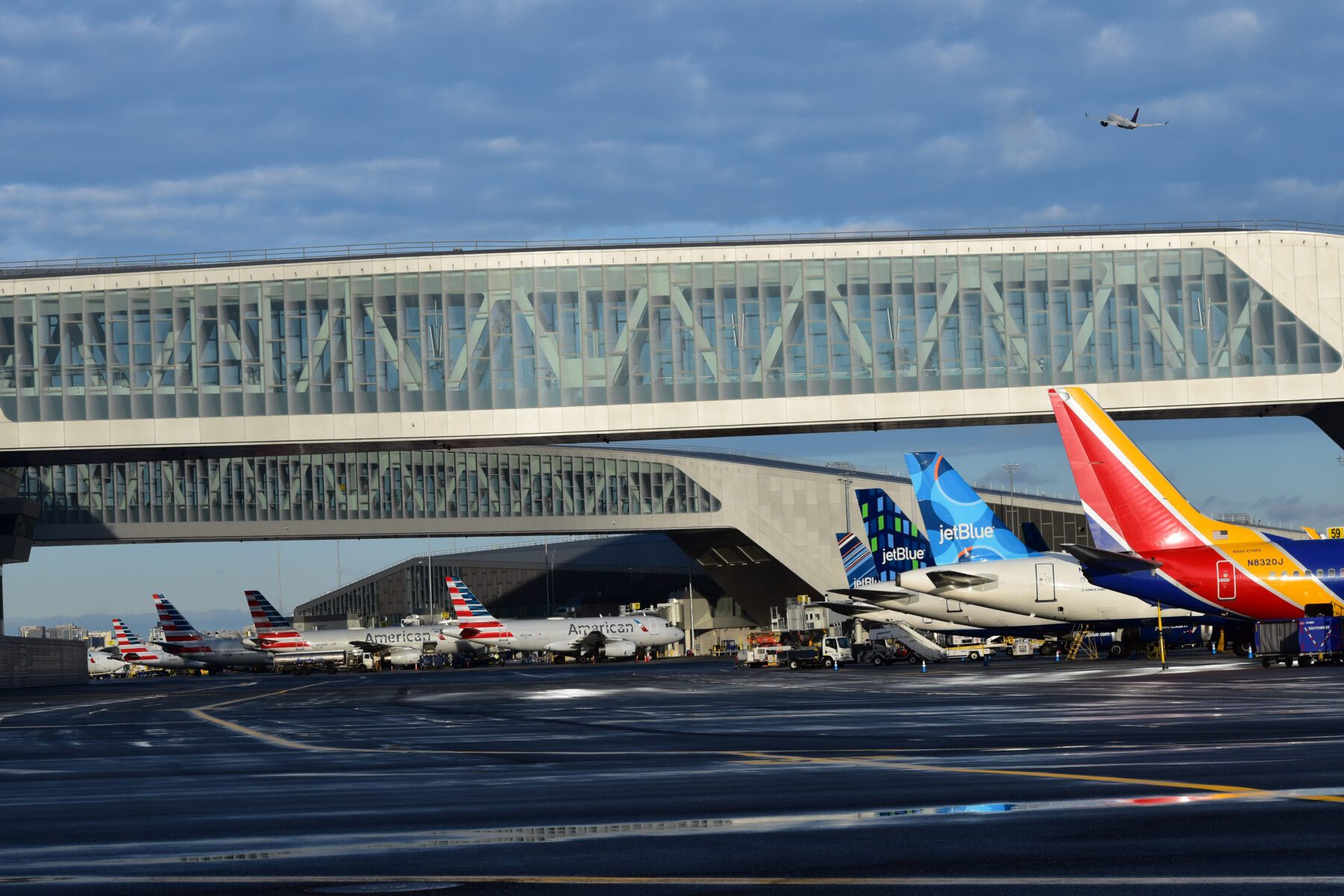
Colorful airplanes line up at their gates, with skywalks above them, at a large airport.

The world’s only dual pedestrian skybridge

The new terminal was partially built over the original one thanks to the inclusion of two elevated skybridges – an innovative architectural approach that enabled the original building to remain operational during construction. Its design provides the busy airport with two extra miles of taxiway and allows passengers to watch aircraft taxi below as they walk above, with the western bridge offering views of the iconic Manhattan skyline.

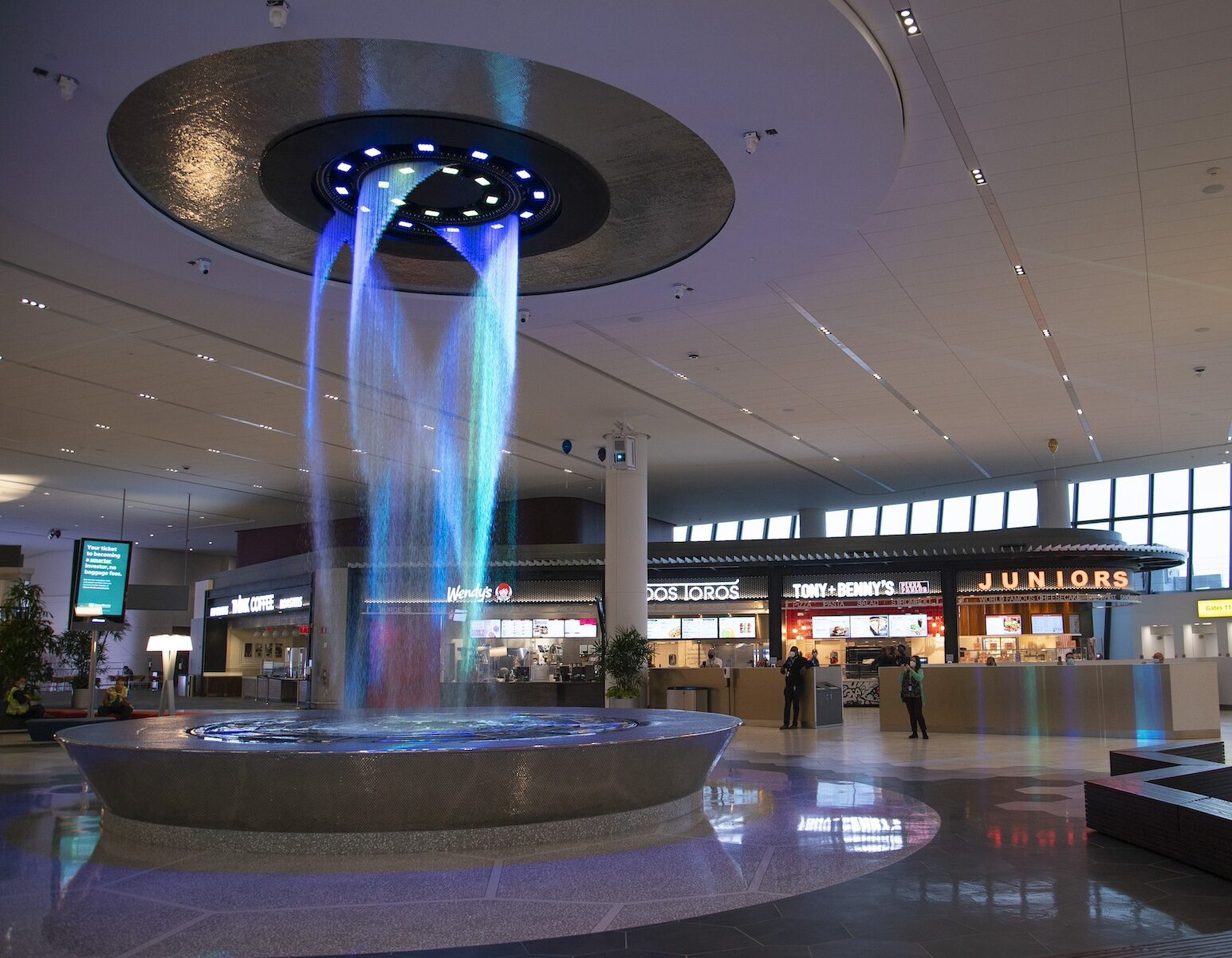
Water feature in the terminal food court area

Signature water feature, the only one of its kind in the Americas

The water feature is the centerpiece of the terminal’s commercial district, entertaining visitors with choreographed lighting, video projection, and music. It uses 4,000 gallons of recirculated water, which travels through two suspended 25-foot-tall rings to create a water curtain against which videos project.

Travelers convene at a terminal map in LaGuardia Terminal B.

NYC-centric dining, retail, and artwork

The energy of New York City is present throughout the terminal, with storefronts inspired by the architecture of different boroughs and custom artwork that celebrates the city. Terminal B features more than 35 shops and dining options that represent the best of New York as well as top national brands.

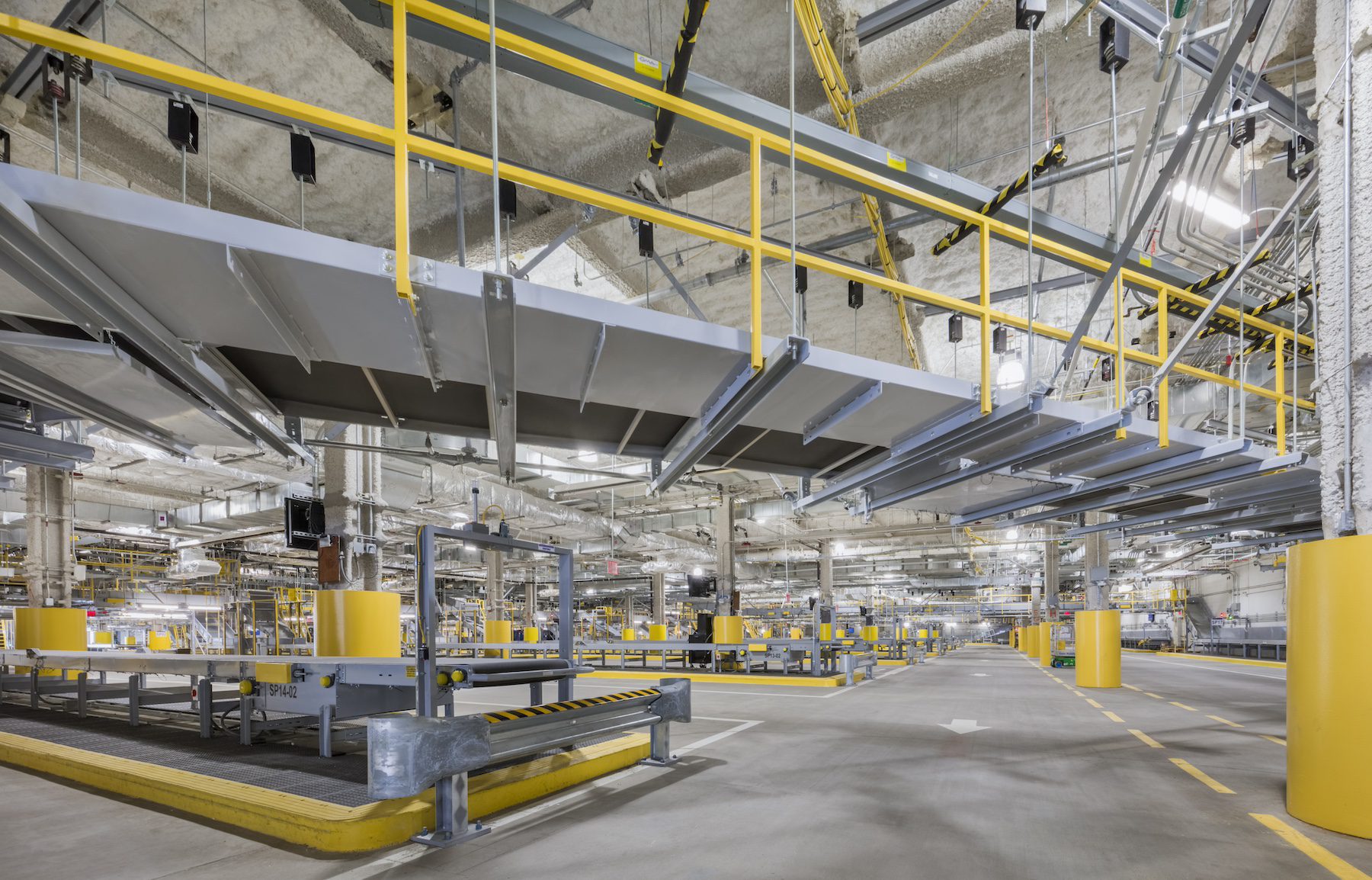
Baggage claim system LaGuardia Terminal B

Sustainable features throughout

Water-saving plumbing fixtures estimated to generate 78% in hot water energy savings and energy-efficient LED lighting are found throughout the terminal. The energy efficient baggage handling system – which can handle 3,250 bags per hour – uses 37% less energy than older systems.

Operational Improvements

Implementing a common-use model was one of the most transformative changes, taking the terminal from a collection of independent operations into an integrated ecosystem. Gates now function as shared assets, rather than assigned to individual airlines, and are allocated dynamically based on operational demand, passenger volumes, and real-time conditions.

This system has improved asset utilization and operational resilience by allowing quick gate reassignment during irregular operations, schedule changes, diversions, or outages. It’s also created a more consistent passenger experience, while optimizing flow and boosting exposure to concessions and amenities.

Additionally, implementing the Integrated Operations Center (IOC) has played a critical role in coordinating day-of operations, enabling real-time decision-making, and fostering collaboration across stakeholders. In the IOC, the team dynamically manages gates, passenger processing resources, terminal facilities, and operational staffing to optimize resource allocation while reducing delays. For guests, it has enabled a more consistent, 5-star terminal experience by enabling proactive, rather than reactive, operations.

Awards & Recognition

LGA Terminal B has established new standards of excellence for US airport transformations. Since opening, it’s been recognized for its world-class guest experience and innovative, sustainable design:

Awards

  • Terminal B has maintained Skytrax’s coveted perfect 5 Star terminal since opening (awarded in 2023 and 2025)
  • Best New Airport in the World at the UNESCO Prix Versailles in 2023
  • Top Terminal of the Port Authority of New York and New Jersey System in 2023 and 2024
  • The Bond Buyer Northeast Region Deal of the Year in 2017 marking the historical public-private partnership
  • Concessions awards for lounge experiences at both The Chase Sapphire Lounge and Capital One Landing

Certifications

  • Terminal B was the frst airport project in the world to achieve the highest LEED v4 Gold certification for sustainable design, for both the full redevelopment project in 2023 and for operations and maintenance in 2024
  • Terminal B leads all NYC-area terminals in Airport Service Quality (ASQ) scores
  • Terminal B was awarded Gold Certification from The Rick Hansen Foundation for terminal accessibility

Transforming Transportation, Together

Let’s partner to bring your ideas to life, building sustainable, connected airports and transportation centers together.

Contact us